
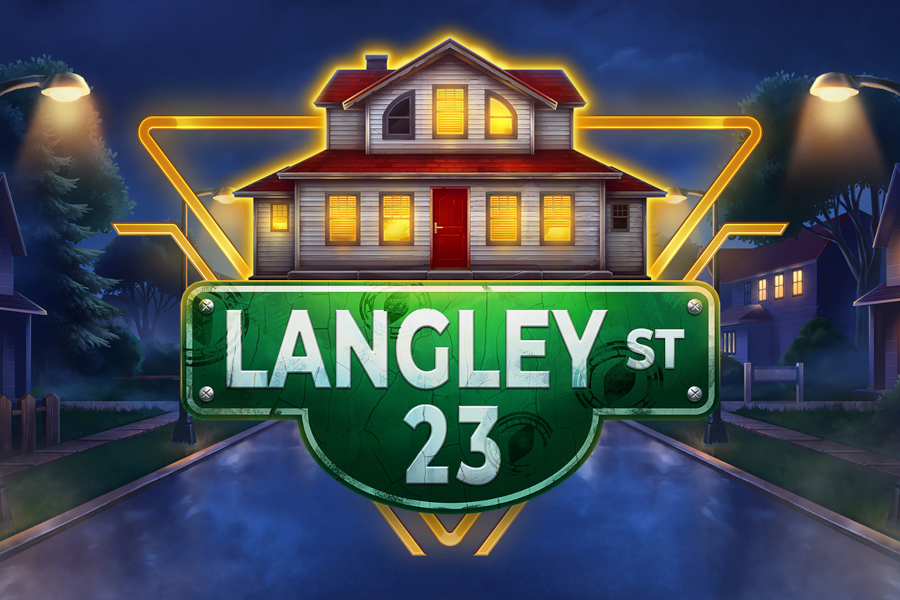

Langley Street 23 arrives from Elk Studios in August 2026, and with it comes the usual pre-release anticipation around the studio's next mechanic and math model. Right now, only the release window is confirmed, the core statistics that matter most to session play have not yet been published by the developer.
What the Numbers Will Tell You
When Langley Street 23 launches, the first question any serious player should ask is about RTP. That figure tells you the long-run payout rate: a 96% RTP slot pays back 96 cents on every dollar wagered over thousands of spins. The difference between 94% and 98% RTP compounds brutally in extended play. Over a 100-spin session at $1 per spin, the impact of even a 2% RTP swing is $2 in expected value, which is not trivial for a casual bankroll. Once the RTP is published, hold that number against your session budget and play duration: tight sessions (20-30 spins) are less sensitive to RTP swings than marathon runs.
Volatility sits alongside RTP as the second pillar of slot mathematics. This measures the variance, how lumpy or smooth payouts are. High-volatility slots reward patience with rare but substantial wins; low-volatility slots feed the bankroll in smaller, frequent hits. Knowing which one Langley Street 23 will be is essential before you spin: high volatility devours shallow bankrolls fast, while low volatility can feel stale to players chasing a big multiplier. Until Elk Studios publishes this stat, session strategy remains guesswork.
Hit rate, the percentage of spins that return any win at all, is the third lens. A 40% hit rate means two spins in five will land a prize, however small. A 20% hit rate means one in five. This affects perceived volatility: even a high-volatility slot with a 35% hit rate delivers more frequent small wins than a 15%-hit-rate slot where long dry stretches are punctuated by rare big payouts. Once confirmed, this number directly informs whether the slot feels rewarding or punishing during regular play.
Mechanics and Features (Coming into Focus)
Elk Studios has built its reputation on thoughtful core mechanics and symmetrical bonus design. The studio's recent catalogue shows a preference for Cluster Pays grids and free spin sequences over traditional paylines, often paired with multiplier stacking or symbol transformation mechanics. Langley Street 23's specific features, what triggers the bonus round, how free spins are awarded, whether there is a buy feature, and how the bonus layer interacts with the base game, remain under wraps until closer to launch.
When the full ruleset drops, expect documentation of the exact bonus triggering condition (scatter hits, symbol combinations, or a hybrid), the maximum free spin count, any multiplier growth or "sticky" mechanics during the bonus round, and whether the developer has included a direct bonus purchase option. These details, when published, should be cross-checked against independent sources to confirm parity with the official press release.
Reading the Fine Print at Launch
When Langley Street 23 goes live, the RTP for this slot will need to be verified across multiple reputable sources before you stake real money. Casinos sometimes offer regional or client-specific RTP variants, a UK version might run 96%, a Malta-licensed version 94%, or a VIP tier 97%. Always confirm your jurisdiction's published RTP before committing a session budget.
Volatility classification and hit rate are equally important: if the slot lands at the higher end of the volatility spectrum with a sub-25% hit rate, budget accordingly, bring a larger bankroll than you would for a smoother game, or plan a shorter session. Conversely, if it settles into the medium-volatility range with a healthy hit rate, it can sustain a modest bankroll across 50-100 spins without reckless risk.
The Verdict: Wait for the Math
Langley Street 23 is aimed at players who value transparent, predictable mathematics over hype. Elk Studios builds thoughtful games, and the August 2026 launch window suggests this title is ready. But smart play begins with data. The moment the RTP, volatility, and hit rate are published, circle back to the official documentation, lock those numbers in, and then decide whether the math aligns with your session goals and bankroll. Until then, a measured "coming soon" is the right frame, play has not begun, and neither should your bankroll deployment.
